Garden clearance in Wimbledon
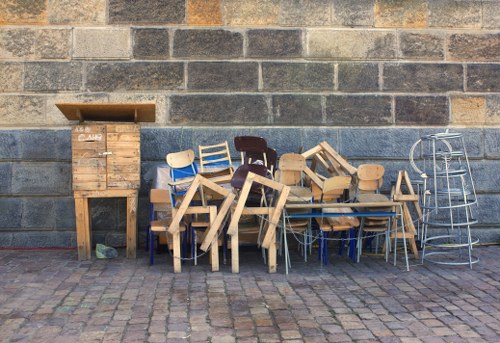
Garden clearance in Wimbledon should leave outdoor space tidy, usable and ready for the next stage of work, whether that means removing piles of cuttings, lifting awkward garden waste or clearing away old items that no longer belong outside. Our service is built around practical removal work for domestic and commercial properties, with a focus on sensible sorting, careful handling and a clean finish. If you need a straightforward way to clear a busy garden without dealing with repeated trips to a tip, we can help.
We manage a wide range of outdoor clearance tasks, from seasonal tidying and green waste removal to heavier items that have been left in borders, sheds or corners of the plot. That can include branches, hedge trimmings, bagged waste, broken outdoor furniture and general clutter gathered after renovation or landscaping work. Where different materials are mixed together, we separate what can be reused or recycled from what needs disposal, keeping the process organised and efficient.
For a clearer idea of how the service works across the wider property, see our garden clearance page for the main service scope. If your job includes a garage, loft or rooms inside the home as well, those can often be planned alongside the outdoor work so that access, loading and timing are handled in one visit. Tell us what needs moving and we can help shape the clearest approach.
Garden waste removal and sorting
One of the most common parts of garden clearance is dealing with mixed waste that has built up over time. Fresh cuttings, soil-filled planters, compostable material and broken garden bags all need a different approach from old timber, pots or rusted tools. We work through the load in a practical order so that bulky items are removed safely and recyclable material is kept apart where possible. That makes the job neater and supports a more responsible disposal process.
Green waste can come from many kinds of garden work, including hedge cutting, pruning, border tidying and the removal of overgrown plants. Some customers only need a small amount taken away after a weekend of maintenance; others have a much larger clear-out after a long gap between visits. Either way, the aim is to leave the space ready for mowing, replanting or further landscaping without forcing you to manage the disposal side yourself. Recycling and sustainability explains more about the way reusable materials are considered within our service.
What we commonly remove
Garden clearance often involves a mixture of light and awkward items rather than one neat pile. Typical examples include branches, lawn cuttings, weeds, dead planting, old compost bags, plant pots, broken trellis and damaged outdoor storage items. In some cases, there may also be broken fencing panels or leftover materials from work carried out by another contractor. We can remove these as part of a planned clearance, provided the items are suitable for collection and disposal through the service.
Outdoor furniture, sheds and stored items
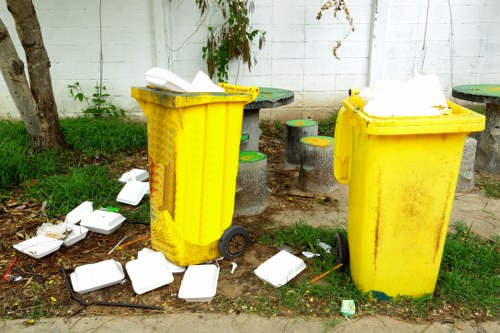
Many gardens in Wimbledon contain more than natural waste, and clearance often means dealing with items that have been left outside for years. Old chairs, tables, children’s play items, broken planters and unused storage pieces can take up space and make the garden harder to use. We remove these items carefully and work with the layout of the property so that larger pieces can be carried out without unnecessary disruption to the surrounding area.
When a shed or outbuilding is part of the job, the process usually starts with separating what is still wanted from what is ready to go. That might include damaged tools, cracked pots, bags of surplus material, split timber, old paint tins where appropriate, and assorted household items that have ended up outdoors. If you also need indoor clearing, our home clearance page covers wider domestic removal work, while furniture clearance is useful for larger pieces that need lifting and loading with care.
Some projects benefit from a short list of what is to stay and what is to go. A simple inventory helps keep the work focused, especially where a garden has storage areas, side access or a mix of usable and broken items. Clear access is helpful but not essential; where access is tight, it just means we plan the loading route a little more carefully. If you are ready to organise the next step, you can request a quotation using the contact page at the end of this page.
Clearance for overgrown, neglected and post-project gardens
Gardens often need clearing after a long period of neglect, after tenants have moved out, or when a landscaping job has left waste behind. In those cases, the work is less about one type of item and more about bringing order back to the whole space. We can remove accumulated waste, loose debris, unwanted fixtures and mixed materials so the garden can be used again or passed on in a better condition.
Post-project clearance can involve soil, turf offcuts, packaging, broken offcuts from building work and temporary materials that are no longer needed once the main job has finished. This is where a tidy method matters, because different waste types may need different handling and loading methods. If the outdoor work sits alongside heavier renovation debris, the builders waste clearance page shows the type of mixed site waste that can be arranged separately from standard garden work. We also offer waste removal for broader mixed loads where a project creates more than just green waste.
Small or large clearances are both approached with the same aim: remove what is no longer needed and leave the area ready for what comes next. Where there is a lot to sort, it can be useful to group items into simple categories before work begins, especially if you want any reusable outdoor equipment kept aside. That makes the collection more orderly and helps avoid confusion once the load is being taken away.
Getting a quote for garden clearance

Quotation requests are usually easiest when they describe the type of waste, the approximate volume and any access points that matter for loading. A few plain details are enough to begin with: whether the job is mainly green waste, whether there are heavy items mixed in, and whether the clearance includes sheds, fences, furniture or bags of general rubbish. That helps us understand the likely scope without overcomplicating the first conversation.
If you are comparing options, it can help to know whether you want the garden cleared completely or just brought back to a usable level. The difference matters because full clearance may involve more sorting, more lifting and a longer loading process. In some cases, customers prefer to spread the work across stages, especially when a garden has separate corners, storage areas or items that need to stay in place for later use. Pricing and quotes explains the general route to requesting a quotation.
- List the main items to be removed, especially anything bulky or heavy.
- Note whether the waste is dry, green, mixed or spread across the garden.
- Mention any narrow paths, side gates or shared access points that may matter.
- Say if the garden includes sheds, furniture or other stored contents.
Supporting domestic and commercial outdoor spaces
Our garden clearance work is suitable for a range of property types, from private homes to premises where outdoor areas need to be kept orderly. In domestic settings, that often means removing seasonal waste, tidying a neglected patch or clearing items left after changes in the household. In commercial settings, it may mean taking away loose garden materials, unwanted outdoor fixtures or waste gathered around entrances, side areas and shared plots.
Some customers also need related internal clearance at the same time, particularly when an outside job is part of a broader property tidy-up. In those cases, it may be useful to look at flat clearance for smaller domestic properties or house clearance where more rooms are involved. If the outdoor area includes a garage or side storage space, garage clearance can help with the adjoining items that often build up next to a garden. Planning connected spaces together can make the overall task simpler to manage.
We do not treat every clearance the same, because the mix of items can affect the way they are handled. Some jobs are mostly organic waste, while others contain a stronger mix of household, timber or metal items. Where materials are mixed, it is sensible to separate them properly rather than bundle everything together. That gives the load a cleaner structure and supports a more orderly disposal process from start to finish.
About Wimbledon
Wimbledon is a district in southwest London best known for combining substantial green space with a strong historic identity and an active town centre. The area includes the open land of Wimbledon Common, which has long formed a distinctive part of its character, and the more formal landscaped setting of Wimbledon Park to the east. Together these spaces give the district an unusually varied outdoor landscape, moving from open heath to designed parkland within a relatively compact urban setting. The historic Wimbledon Village sits higher on the hill and retains a recognisable older street pattern, with buildings and fronts that reflect the settlement’s earlier development before the modern spread of London reached this part of Surrey. The common itself is one of the most notable surviving areas of common land in the capital, and its paths, ponds and wooded stretches remain central to local life. Wimbledon also has a well-known association with sport, especially through the annual tennis championships at the All England Lawn Tennis and Croquet Club, which has shaped the district’s public image for generations. Beyond that global event, the area has its own theatres, restaurants, churches, schools and transport links, with Wimbledon station acting as a major interchange for rail, Underground and tram services. The district is often understood through its contrast of village, town and open space: a place where Victorian and later housing sits alongside shopping streets, conservation areas and large expanses of parkland. That mix has helped keep Wimbledon distinct within London, with a local atmosphere that balances movement, amenity and long-established civic identity.
Garden waste, soil and heavier materials
Not every garden clearance is light or straightforward. Some involve soil bags, broken edging, sleepers, stones, wet compost, old paving pieces or other heavy materials that need additional care when lifting. We approach these jobs with attention to weight, balance and the route items will need to take out of the property. Where there are mixed materials, we keep the process organised so that the load is handled in a sensible order rather than in one rushed lift.
When a garden has recently been altered, it may contain leftover materials that do not fit neatly into standard green waste removal. That can include offcuts from a patio, damaged pots, broken timber, old membrane, plastic sheeting or packaging from landscaping supplies. Where the clearance is connected to a building or refurbishment project, our builders waste clearance page remains the most relevant place to review the broader scope. For business premises, the business waste removal page may also be useful when outdoor areas form part of routine premises upkeep.
In practical terms, the best results come when the customer decides whether the goal is a tidy garden, a fully cleared plot or the removal of specific obstacles. That decision affects how much sorting is needed and which items are grouped together for collection. If you have awkward or mixed materials, mention them early so the job can be planned properly and the right vehicle space can be allowed for the load.
How the clearance is organised

Good organisation matters as much as the lifting itself. A well-planned garden clearance usually begins with identifying the main waste streams, deciding what is staying, and checking how the items will leave the property. This is especially useful where a garden contains more than one area, such as a lawn, side passage, shed, patio or rear storage corner. By separating the work into clear parts, the collection can be handled in a calmer and more practical way.
Before the work starts, it is helpful to know whether anything fragile, useful or restricted needs to be left untouched. That might include planted containers, tools still in use, items stored for a later project or materials already set aside for reuse. A short, direct note from the customer is usually enough. Photographs can help, but they are not the only way to describe the job; if the waste is easy to list, a written description may be just as effective. The goal is simply to make the quotation and collection plan accurate.
If you also need nearby indoor removal work, the loft clearance page covers upper-storey storage spaces, while office clearance is suitable for premises where non-domestic items need removing from a managed building. Not every job needs these extra pages, but they can be helpful when a garden clear-out forms part of a broader property project. A clear route through the job saves time and reduces the chance of items being overlooked.
Choosing the right level of service
Garden clearance in Wimbledon can range from a simple collection of bagged green waste to a fuller service that involves removing furniture, old storage items and debris from several parts of the property. Choosing the right level of help depends on what is in the garden and how much of it you want removed. If your aim is only to reduce bulk, the job can be narrower; if you want the space almost entirely cleared, the scope will naturally be wider.
There are also situations where it makes sense to combine garden clearance with related indoor or property-wide work. For example, a home that is being prepared for sale or for new tenants may need both outdoor and internal removal. In those cases, our furniture disposal and office clearance pages show the kind of separate arrangements available for different item types. Where pricing is the main concern, it is sensible to ask for a quotation that reflects the exact mix rather than assuming one standard job size fits every property.
It is often easiest to begin with a brief outline of the task, then let the collection plan follow from that. If there are heavy items, restricted access or waste spread across more than one area, say so early. We can work from a clear description and adapt the clearance to suit the layout, rather than forcing the property into a fixed template. That keeps the service practical and avoids unnecessary back-and-forth later on.
Final steps and quotation request

Once the main items are identified and the scale of the job is understood, the final step is simply to request a quotation and confirm the best way to proceed. The service is intended to make outdoor removal feel orderly rather than disruptive, so a clear summary of the waste, the access and the outcome you want is the most useful starting point. If the garden has a mixture of greenery, storage items and heavier waste, include that in your note so the plan reflects the real work involved.
For customers who want to keep the process simple, it helps to decide whether the task is a one-off clear-out or part of a larger sequence of property work. That may affect whether you bring together garden clearance, home clearance or other supporting services, or keep the jobs separate. Either approach can work well, provided the scope is set clearly at the outset. Contact us to request a quotation when you are ready to share the details.
If you prefer to review the wider company information before enquiring, the about us page and health and safety policy offer useful supporting context. For most customers, though, the immediate next step is straightforward: identify the items, note the access and send through the basic job details so the clearance can be arranged around the actual property, not a guess. Request your quotation when ready and we will take it from there.