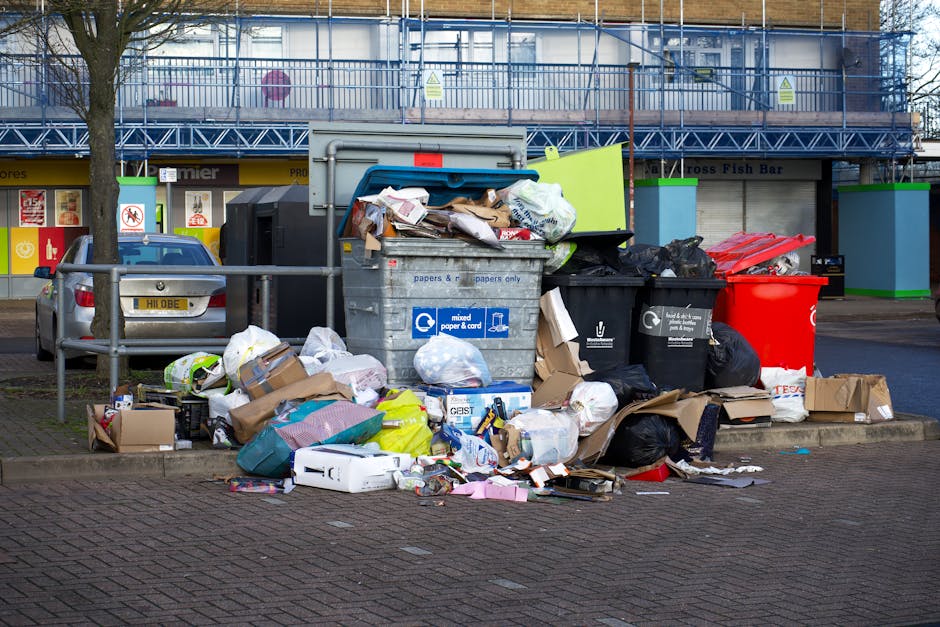
Rubbish collection options Raynes Park terraces estates
Finding the right Rubbish collection options Raynes Park terraces estates can feel oddly complicated for something that sounds simple. Terraces often have tight front paths, shared access, awkward stairwells, limited parking, and neighbours who would rather not hear bins being dragged out at 7am. Estates bring their own quirks too: managed access, bin stores, lift restrictions, service roads, and the constant question of who can actually take what away, and when.
This guide breaks the whole thing down in plain English. You'll see the main collection choices, how each one works, when each makes sense, and what to watch out for if you want a clean, tidy clearance without hassle. We'll also touch on practical UK expectations around waste handling, recycling, and safety, because let's face it, nobody wants a quick clear-out to turn into a messy problem later.
If you need broader help with household or mixed waste, you may also find it useful to look at waste removal options, especially where the load includes bulky items, bagged rubbish, or a mix of different materials. And if you're dealing with a flat, not a house, then flat clearance can be a better fit than trying to piece everything together yourself.
Table of Contents
- Why rubbish collection options matter on Raynes Park terraces and estates
- How the collection process works
- Key benefits and practical advantages
- Who this is for and when it makes sense
- Step-by-step guidance
- Expert tips for better results
- Common mistakes to avoid
- Tools, resources and recommendations
- Law, compliance, standards and best practice
- Options, methods and comparison table
- Case study or real-world example
- Practical checklist
- Conclusion
- Frequently asked questions
Why Rubbish collection options Raynes Park terraces estates Matters
On paper, rubbish is rubbish. In practice, the location changes everything. A terraced street in Raynes Park might mean a narrow pavement, shared rear access, and no obvious place to leave bags safely. A residential estate can mean controlled access, communal areas, and rules about where waste can be stored before collection. That means the "best" option is rarely the cheapest one, and the cheapest one is rarely the smoothest.
There's also the simple issue of time. People often wait until a loft, garage, or spare room is overflowing before dealing with it. Then the job becomes bigger, heavier, and more awkward than expected. One small pile turns into a full van load. A broken wardrobe turns into a dozen screws, two side panels, and a bit of panic when you realise it won't fit through the hallway without being dismantled. It happens all the time.
Choosing the right method matters because it affects:
- how quickly the rubbish can be removed
- how much effort you need to put in
- whether access restrictions become a problem
- how tidy the site is left afterwards
- how much of the waste can be recycled or reused
For many households, the real goal is not just "take it away". It is "take it away without stress, without upsetting anyone, and without creating a new chore for me tomorrow." Fair enough too.
If the job includes old sofas, tables, mattresses or other large household items, a service like furniture clearance can be especially useful. It saves you from trying to manoeuvre a heavy item through a tight stairwell at a funny angle while muttering under your breath. We've all seen that scene.
How Rubbish collection options Raynes Park terraces estates Works
Most collection options follow the same basic sequence, even if the exact service is different. First, you identify what needs removing. Then you check access, volume, and any special items. After that, the provider decides whether the job can be handled as a small collection, a larger clearance, or a mixed load.
In practical terms, the process usually looks like this:
- Describe the waste clearly. Say whether it is general rubbish, bulky furniture, garden waste, renovation debris, office items, or a combination.
- Explain the access. Mention stairs, basement rooms, rear alleys, controlled entry, parking limitations, or lift use.
- Choose a collection method. This may be a man-and-van style collection, scheduled council collection, skip hire, or a dedicated clearance team.
- Arrange a time slot. On estates, timing can matter because of access windows and noise considerations.
- Load and remove safely. Good operators protect walls, communal flooring, and door frames rather than just rushing through.
- Sort, reuse, and recycle where possible. Reputable providers separate suitable items instead of sending everything away as general waste.
One thing people sometimes miss: the collection method should match the shape of the waste, not just the amount of it. A few heavy items can be harder than several light bags. A stack of broken flat-pack furniture can be trickier than a surprisingly large pile of soft household rubbish. Weight, shape, and access all matter.
If you are clearing a home that has been lived in for years, a broader home clearance approach may be more practical than a one-off rubbish pickup. That is especially true if some items are keep, some are donateable, and some need disposal. A bit of planning saves a lot of back-and-forth.
Key Benefits and Practical Advantages
The right rubbish collection option does more than empty a space. It changes the feel of the space. You walk in afterwards and can actually see the floor again. That sounds small, but if you have ever lived with clutter for weeks, you'll know it can feel like a proper reset.
- Less physical strain: No dragging heavy bags down stairs or lifting awkward items by yourself.
- Better use of time: A planned collection can remove several trips to a tip and a lot of Saturday morning effort.
- Cleaner shared areas: Especially important on terraces and estates where bins, stairs, and entrances are shared.
- More flexible handling of mixed waste: Useful when you have general rubbish, furniture, and light builders' debris in one go.
- Improved recycling opportunities: A good clearance approach separates what can be reused or recycled.
- Reduced neighbour friction: Less noise, fewer blocked pathways, and fewer bags left outside for too long.
There's also peace of mind. A tidy collection plan reduces the risk of fly-tipping, blocked communal access, or waste sitting around waiting for a "later" that never comes. To be fair, "later" is where clutter goes to live permanently.
For business owners or landlords managing multiple units, the benefits are even more obvious. A structured approach keeps tenants, staff, and visitors happier. If the waste is commercial rather than domestic, business waste removal can be a better fit than ad hoc disposal because it is set up for regular, practical handling.
Who This Is For and When It Makes Sense
This topic is relevant to a surprisingly wide group of people. You might be clearing a single room, a whole property, or just trying to deal with the aftermath of a renovation. The common thread is that you need rubbish gone, but you also need the process to suit a Raynes Park terrace or estate setting.
It usually makes sense if you are:
- a homeowner clearing out a spare room, loft, garage, or shed
- a tenant moving out and dealing with unwanted items
- a landlord or letting agent preparing a property for re-letting
- a resident on an estate with limited bin storage or set collection rules
- someone renovating and dealing with packaging, old fixtures, or light rubble
- an office or small business owner needing a one-off clearance
It also makes sense when the job is too awkward for normal bins but too small to feel like a major building project. That in-between zone is where many people hesitate. Too much for the wheelie bin, not quite enough to justify days of messing about. A proper collection option bridges that gap neatly.
In a terrace, timing can be the deciding factor. If the pavement is narrow and parking is tight, a fast collection with minimal handovers may be best. On an estate, the priority may be access coordination and keeping communal areas clear. Same waste, different reality.
If you are also dealing with leftover bits from a refurbishment, builders waste clearance may be worth considering alongside domestic rubbish removal. It is often the tidy way to handle plasterboard offcuts, packaging, old fixtures, and the general debris that quietly multiplies during a project.
Step-by-Step Guidance
If you want the smoothest possible collection, keep the process simple and structured. Here is a practical way to approach it.
1. Sort the waste into sensible groups
Start by separating general rubbish, furniture, electricals, garden waste, and anything sharp, heavy, or awkward. You do not need perfection. Just enough structure to explain the load properly. A few minutes here can save a lot of confusion later.
2. Check access before you book
Measure doorways if the item is large. Note any narrow staircases, gated entry, communal corridors, or parking restrictions. On estates, ask whether a van can stop close enough to load safely. On terraces, think about whether the collection team will need to carry items a long way from the front door.
3. Estimate volume honestly
People often understate what they have. It is human. A couple of bags becomes a boot full. A "small pile" becomes a half-room. Describe the waste as it is, not as you hope it is.
4. Ask how sorting will be handled
A good provider should explain whether items are reused, recycled, or disposed of responsibly. That matters because not everything belongs in the same stream. Mattresses, wood, metal, cardboard, and mixed household waste may be handled differently.
5. Book a collection window that suits the property
If access is shared, choose a time that avoids school runs, deliveries, or peak foot traffic. A quieter slot can make the whole thing much less awkward. Morning is often easier, though not always. Sometimes the building just has its own rhythm.
6. Prepare the items for removal
Put smaller items in bags or boxes, keep sharp edges covered, and make sure the collection team can identify what is staying and what is going. If possible, clear a route from the property to the exit. That little bit of prep really does help.
7. Confirm the final handover
Before the team leaves, check that the agreed items have gone and that the area is swept or left tidy enough for normal use. If you have communal space, this matters more than people think. No one wants a trail of dust, packaging, or mystery screws.
Expert Tips for Better Results
Here's where experience helps. The best rubbish collection jobs are usually the ones where the customer has thought one step ahead, not the ones where everything is discovered on arrival.
- Photograph the load before collection. Not for drama, just for clarity. It helps avoid misunderstandings.
- Keep the route clear. Shoes, plant pots, prams, and loose bits on the stairs all slow things down.
- Label what stays. If you live with other people, a simple note or pile division stops accidental removals.
- Separate valuable or reusable items early. One person's rubbish is another person's useful shelf, frankly.
- Be realistic about timing. If access is complex, a rushed job usually becomes a messy one.
- Ask about bulky item handling. Sofas, wardrobes, fridges, and washing machines need different handling from bagged waste.
Another tip: think about sound. Estate neighbours will hear more than you expect, especially first thing in the morning. A careful team will avoid unnecessary banging, but choosing a sensible time still helps keep everyone on side. A small thing, but it matters.
If you are clearing out a garage or outbuilding with a lot of old tools, paint tins, boxes, and forgotten odds and ends, garage clearance can be more practical than trying to sort each item as separate waste. It is a classic "how did this much fit in here?" situation.
Common Mistakes to Avoid
Most problems with rubbish collection are not dramatic. They are just annoying, avoidable, and time-consuming. The good news is that they are easy to sidestep once you know what to look for.
- Booking the wrong service type. A bag collection is not always suitable for heavy mixed waste or large furniture.
- Ignoring access issues. A van may be available, but can it actually get close enough to load safely?
- Leaving everything until the last minute. That tends to increase cost, stress, and clutter levels all at once.
- Mixing recyclable and non-recyclable waste without warning. It makes sorting harder and can reduce recycling potential.
- Forgetting shared rules. Estates often have access or parking constraints that need a bit of coordination.
- Assuming all bulky items are the same. They are not. A mattress and a dismantled wardrobe are very different beasts.
One mistake that crops up a lot is overfilling a communal bin store or leaving items beside bins "just until tomorrow". Tomorrow becomes Thursday, then next week, and suddenly the whole area looks untidy and the neighbours are annoyed. Not ideal. Not worth it.
Another common issue is underestimating the value of pre-sorting. If you know you have some reusable furniture, some general rubbish, and a few items for specialist disposal, say so early. It makes the quote more accurate and the collection much easier to manage.
Tools, Resources and Recommendations
You do not need a toolbox full of specialist gear to manage a collection well, but a few simple things help. Think of this as the practical kit that makes the day easier.
- Heavy-duty bags or boxes: useful for small mixed items and sharp packaging.
- Marker labels or tape: handy for separating keep, donate, and remove piles.
- Basic gloves: sensible if you are handling dusty loft items or old storage waste.
- A torch: especially helpful in lofts, garages, and dim bin stores.
- Measuring tape: invaluable if a bulky item might need dismantling.
- Phone camera: useful for recording access points and the waste load.
In some cases, a combined clearance approach is the easiest route. For example, if you are emptying a room, removing an old sofa, and clearing a bit of garden debris, using a service that can handle mixed waste can simplify everything. You might also compare that with furniture disposal where the main concern is simply getting rid of larger household pieces responsibly.
From a trust and service standpoint, it is also worth checking company information before you book. A good provider will be clear about how waste is handled, how pricing is explained, and how customer concerns are dealt with. If you want a sense of how a company presents itself, the about us page is often a useful place to start. For practical booking details, the pricing and quotes page can help you understand how estimates are usually handled.
Law, Compliance, Standards and Best Practice
When rubbish is collected in the UK, the key principle is simple: waste should be handled responsibly, by people who know what they are doing. You do not need to become an expert in waste law to make a sensible choice, but you should expect proper handling, traceability where relevant, and an approach that avoids fly-tipping or careless disposal.
For households, the main practical points are straightforward:
- separate items sensibly where possible
- avoid leaving waste in shared spaces for longer than necessary
- be careful with sharp, heavy, or hazardous materials
- use a provider that is transparent about disposal practices
For estates and terraces, there is also a real-world etiquette to follow. Keep pathways clear. Do not block fire routes or communal access. Warn neighbours if a large collection may take place. If there is managed parking or a residents' schedule, follow it. None of that is glamorous, but it makes the process safer and less stressful for everyone involved.
Hazardous or specialist items should be treated with extra caution. That might include paints, chemicals, certain electricals, or anything that looks contaminated. If in doubt, ask before booking. That is not being difficult; that is being sensible.
Good practice also means looking at sustainability, not just speed. If a service can reuse or recycle usable items, that is usually preferable. For readers who care about this side of the process, recycling and sustainability is a useful topic to review because it reflects the kind of disposal standards many customers now expect.
Options, Methods, or Comparison Table
Different rubbish collection methods suit different jobs. There is no single perfect answer. The right choice depends on volume, access, urgency, and whether you are dealing with ordinary household waste or a more complex mix.
| Option | Best for | Advantages | Limitations |
|---|---|---|---|
| Scheduled council-style collection | Routine household waste or approved bulky pickups | Simple for basic needs, familiar process | May have limits on volume, item type, and timing |
| Man-and-van rubbish collection | Mixed bags, furniture, and awkward access points | Flexible, fast, suitable for terraces and estates | Pricing depends on load size and access |
| Skip hire | Ongoing projects or larger renovation waste | Useful if waste builds up over time | Needs space, permits may be required, not ideal for tight streets |
| Full property clearance | Lofts, flats, garages, or whole-house jobs | Handles lots of items in one visit | More than needed for tiny one-off disposals |
For Raynes Park terraces and estates, man-and-van or full clearance services are often the most practical. Skip hire can work, sure, but only if there is enough room and the local setup makes it easy. On a tight street, a skip can be more headache than help.
If the job is mainly household contents rather than just loose waste, house clearance gives a better idea of how a more complete removal is usually managed. That is often the smarter option for inherited homes, downsizing, or end-of-tenancy situations.
Case Study or Real-World Example
Imagine a terraced property in Raynes Park with a narrow front path, a small rear yard, and a loft full of old boxes, broken shelving, and a few bulky bits that have been waiting for months. The residents want the space cleared before decorating starts. They also need to avoid blocking the pavement because the street is busy around school drop-off time.
A sensible approach would be:
- separate the obvious keep items first
- bag the smaller rubbish and label it clearly
- identify the bulky items that need two-person lifting
- schedule the collection for a quieter morning slot
- keep the route from loft to exit clear
In that kind of scenario, the biggest win is not speed alone. It is control. The job is easier because the collection team can work efficiently, the neighbours are less affected, and the final result is a clean, usable room rather than a half-finished mess. A small victory, but a real one.
We often see a similar pattern in estate flats. Residents try to dispose of items gradually, then discover the lift is too small for a wardrobe or the bin room is already full. Suddenly, the "quick tidy-up" needs a proper collection. Planning earlier saves the awkward stage where everyone is standing around wondering whose turn it is.
Practical Checklist
Use this before booking rubbish collection in a terrace or estate setting:
- Identify exactly what needs removing
- Separate keep, donate, recycle, and dispose piles
- Measure any bulky items if access looks tight
- Check parking, gates, stairwells, and lift access
- Confirm whether the waste is general, mixed, furniture, or builders' debris
- Ask how the collection team handles recycling and sorting
- Choose a time that works for neighbours and shared access
- Clear a path from the items to the exit
- Make sure anything sharp or hazardous is flagged in advance
- Review the final area before the team leaves
Expert summary: For Raynes Park terraces and estates, the best rubbish collection option is usually the one that matches access, volume, and item type, not just the one that sounds easiest at first glance. A little planning goes a long way, and honestly, it saves you the kind of hassle you only ever get once.
If you are ready to take the next step, it can help to review the service details, understand the company approach, and check how pricing is explained before you commit. If you need to talk through a mixed clearance or awkward access situation, contact us can be a practical place to start.
Get a free quote today and see how much you can save.
Conclusion
Choosing between rubbish collection options for Raynes Park terraces and estates does not need to be complicated. The trick is to be honest about access, realistic about volume, and clear about what needs removing. Once those three things are sorted, the rest becomes much easier.
Whether you are dealing with a few bulky pieces, a full clear-out, or a mixed load that has been building up for months, the right method will save time, reduce stress, and keep your home or estate looking tidy. That matters more than people sometimes admit. A clean space changes the way a room feels, and a good collection can make that happen without drama.
Take it one step at a time. Sort it, plan it, remove it. Then enjoy the relief when the floor is finally visible again.
Frequently Asked Questions
What are the main rubbish collection options for Raynes Park terraces and estates?
The main options are scheduled collections, man-and-van rubbish removal, skip hire, and full property clearance. The best choice depends on access, waste type, and how much needs to go.
Is man-and-van rubbish collection good for terrace houses?
Yes, often it is. Terrace houses can have awkward access, narrow paths, and limited parking, so a flexible collection team is usually easier than trying to manage everything yourself.
Can I mix furniture and general rubbish in one collection?
Usually yes, but it should be declared clearly before the job is booked. Mixed loads are common, especially during moves, clear-outs, or light refurbishments.
What if my estate has restricted access?
Then access needs to be discussed in advance. Mention gates, entry codes, lifts, parking rules, and any time restrictions so the collection can be planned properly.
Do I need to sort recycling before rubbish collection?
It helps, though a good provider may sort suitable materials after collection. Separating obvious recyclables, reusable items, and general waste usually makes the process smoother.
Is skip hire suitable for Raynes Park terraces?
Sometimes, but not always. A skip needs space, and many terraced streets are tight. If parking or placement is difficult, a collection service may be far more practical.
How do I know if I need a full clearance rather than a simple collection?
If you are clearing several rooms, dealing with loft or garage contents, or removing a large volume of mixed items, a full clearance is probably the better fit.
What should I do with bulky items like wardrobes or sofas?
Measure them if access is tight, and mention any disassembly needs when you book. Bulky items are often easier to remove than people think, but they do need planning.
Are there rules about waste left in communal areas?
Yes, communal areas should not be blocked or used as a temporary storage point for rubbish. It is best to keep collections moving and to follow any estate-specific rules.
How do I avoid mistakes when booking rubbish collection?
Be clear about the waste type, the access conditions, and the volume. The biggest problems usually come from vague descriptions or last-minute surprises.
Can rubbish collection include office or business items?
Yes, in many cases it can. If the waste is commercial in nature, a dedicated business waste solution is often more appropriate than a domestic-style pickup.
What happens to the rubbish after it is collected?
That depends on the provider and the waste type, but a responsible service should separate materials where possible and send items for reuse, recycling, or proper disposal.
Where can I learn more about the company and its standards?
You can review the about us page for company information and the insurance and safety page for a better understanding of how safety and responsibility are handled.